
Is the AI Race Fueling a Sustainable Boom or a Bubble About to Burst?
Confluent Asset Management
Portfolio Management Team
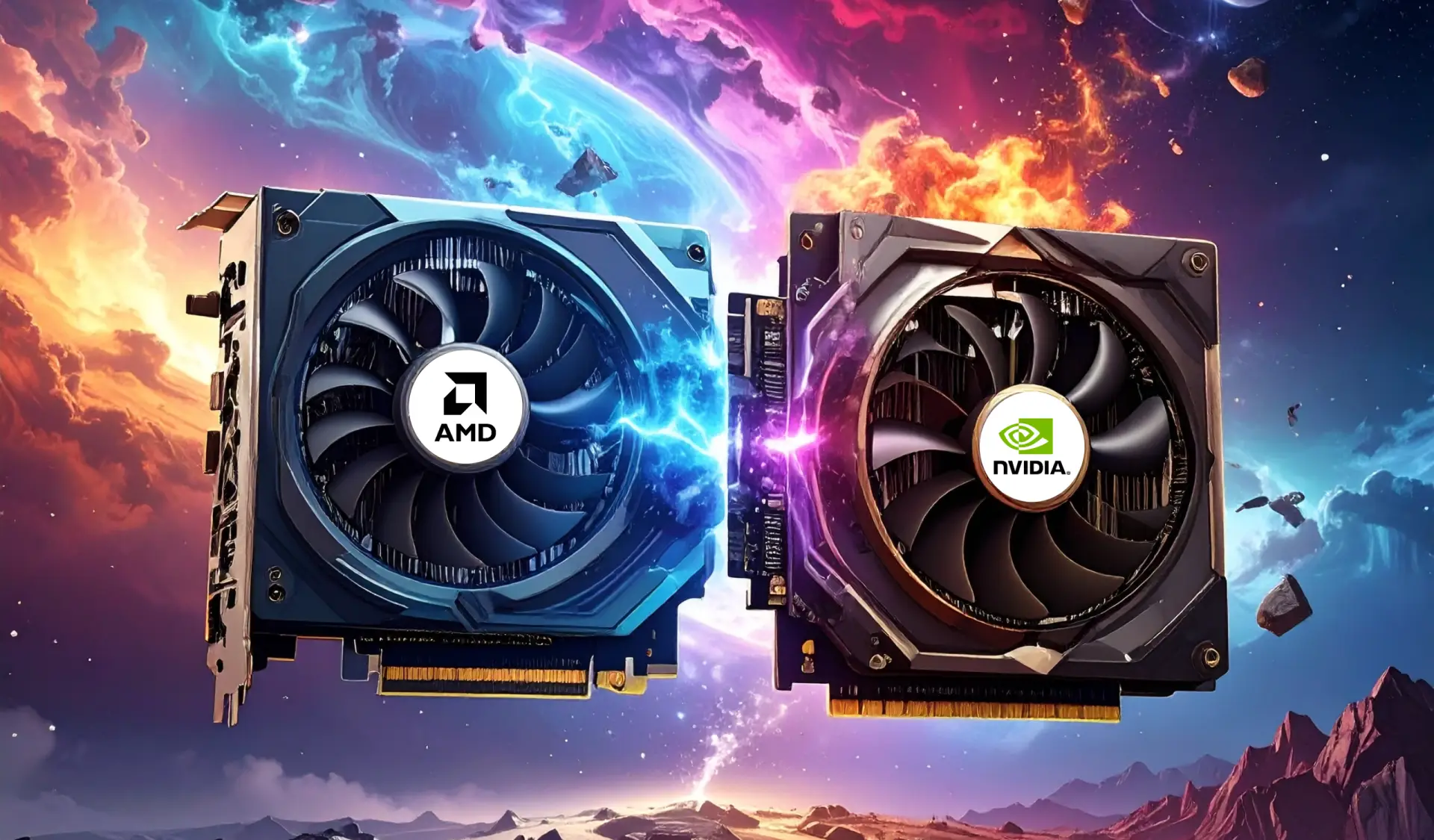
Artificial Intelligence isn’t just powering software; it’s driven an entire semiconductor supercycle. At the heart of this race are two titans:
NVIDIA, currently dominating the AI chip market
Advanced Micro Devices, gaining ground with competitive AI GPUs
This battle has transformed the semiconductor landscape, and it’s reshaping investor expectations, valuations, and risk profiles across markets.
📈 Massive Growth in AI Chip Demand
AI accelerator market growth illustrates the huge expansion of demand:
From roughly $30B in 2022 to over $90B by 2025, according to market analysis.
Projections estimate AI‑specific chips could be $110B–$400B by 2027, approaching half of all semiconductor value.
This demand surge underpins why NVIDIA’s AI chips and AMD’s newer GPUs have become investor favorites.
🏆 NVIDIA: AI Chip King, But With Risks
NVIDIA has been the poster child of the AI stock boom:
CEO Jensen Huang recently forecast $1 trillion in AI chip sales by 2027, a dramatic acceleration that reflects enormous demand expectations.
Its AI‑centric revenue has soared — with data center sales accounting for huge portions of quarterly results.
Still, investors have shown valuation fatigue as extreme growth raises questions about sustainability. High expectations already priced into the stock create downside risk if growth slows.
Key risk drivers for NVIDIA include:
✔ Supply chain dependencies (e.g., TSMC manufacturing pressures)
✔ Regulatory/ export controls (especially with China)
✔ Extreme P/E ratios vs historical levels
✔ Competition from AMD + custom chips by Big Tech
🔄 AMD’s Growing Role in the AI Chip Battle
While smaller than NVIDIA’s AI dominance, AMD is carving out a solid niche:
Its MI350 series GPUs have helped drive strong revenue and increase competition vs NVIDIA in data center workloads.
Hyperscalers are diversifying AI chip sourcing away from single‑vendor lock‑in, which benefits AMD’s positioning.
Still, AMD remains a challenger rather than equal competitor, meaning investors must balance growth potential with the realities of competing with a market leader.
💼 Take Control of Your Investments Today
Worried about market volatility and AI stock bubbles? Schedule a personalized portfolio review to ensure your investments align with your risk tolerance and long-term goals.
💥 Bubble Fear vs. Boom Reality
There’s real debate in markets over whether the AI rally is overextended:
Bubble Indicators
A Bank of America survey found ~45% of fund managers believe AI stocks form the top market risk today.
High valuations and speculative trading patterns reminiscent of prior bubbles.
Signs of “valuation disconnect” where stock prices rise faster than revenues justify.
External analysts and experts have warned that overinvestment and deal complexity could presage a bubble burst if fundamentals don’t catch up.
Signs It’s Still a Boom
Strong revenue and profit growth across the sector, with real demand from hyperscalers and enterprises.
Continued capital expenditures by cloud players, even amid cost pressures.
Regulatory bodies balancing growth with safeguards, not outright panic.
📊 What Everyday Investors Should Watch
If you’re investing, or considering investing, in AI stocks like NVIDIA or AMD, here’s how to think rationally about risk:
1. Valuation Matters
High growth rates can justify high valuations, but only if earnings continue to rise. Elevated multiples can shrink rapidly when growth slows.
2. Diversification Is Key
Relying on one or two AI semiconductor names inflates concentration risk. Look for broader tech exposure or ETFs if uncertainty is a concern.
3. Monitor Macro Signals
AI spend is influenced by broader macro conditions: interest rates, capital expenditure budgets, and geopolitical tensions all impact demand.
4. Understand the Technology Cycle
AI infrastructure appears to be moving from training to inference, a shift that could reshape future hardware demand curves.
📌 Bottom Line: Bubble or Boom?
✔ Growth drivers remain strong and backed by real enterprise demand.
⚠ Valuations are stretched, and investor optimism is pricing in nearly perfect execution.
📉 Bubble risk exists but it’s not universally agreed that markets are about to crash, yet.
Investors should stay informed, balanced, and cautious, especially if entering AI stocks at current valuations. The AI race between AMD, NVIDIA and others has already reshaped markets — and it will continue to dictate where capital flows next.
📊 See How Your Portfolio Stacks Up
The AI race is reshaping markets. Don’t leave your portfolio to chance. Get a comprehensive analysis from our experts and discover strategies to protect and grow your wealth.
Disclaimer
The views, information, or opinions expressed in the above article are solely those of the author and do not necessarily represent those of any affiliated organizations, institutions, or entities. The article is meant for informational purposes only and should not be considered as professional investment advice. Past performance is not indicative of future results. The stock market is inherently risky, and investors may lose part or all of their investment. The author does not guarantee the accuracy, completeness, or timeliness of the information provided. Any reliance you place on such information is strictly at your own risk. This article contains forward-looking statements and projections that are based on current expectations, estimates, and projections about the stock market and the overall economic environment. These statements are not guarantees of future performance and involve certain risks and uncertainties which are difficult to predict. The author is not a licensed financial advisor, and this article should not be construed as a recommendation to buy, sell, or hold any investment or security. Before making any investment decisions, readers should consult with a qualified financial advisor to discuss their individual situation and risk tolerance. The author may hold positions in some of the stocks or financial instruments mentioned in this article. However, this does not influence the objectivity of the content presented. This article is protected by copyright laws and may not be reproduced, distributed, transmitted, displayed, published, or broadcast without the prior written permission of the author. By reading this article, you acknowledge that you have read and understood this disclaimer and agree to hold the author and any affiliated parties harmless from any losses, damages, or consequences resulting from the use of information contained within.